
St. Louis Park 24/7 Flood Cleanup: What Owners Should Know
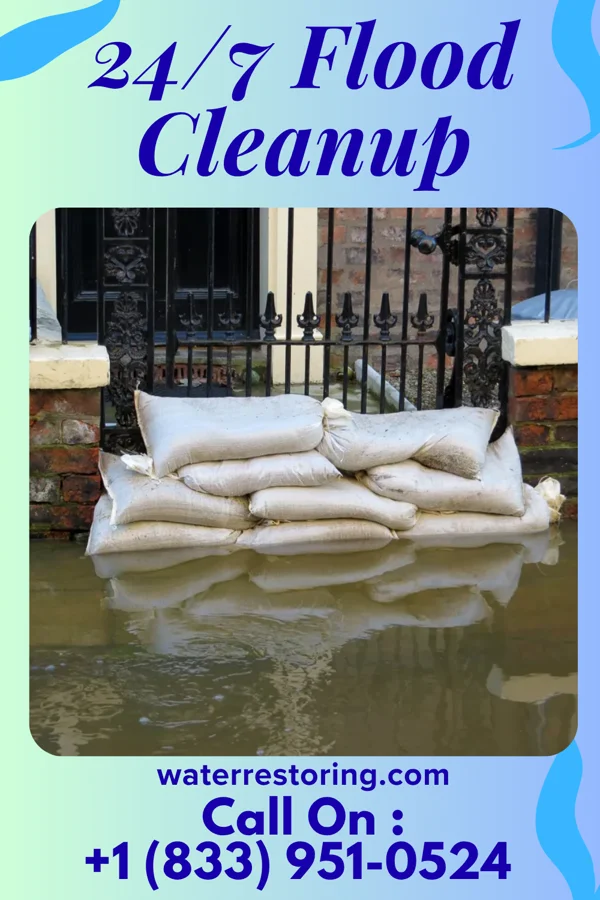
Residential or commercial, water damage emergencies in St. Louis Park keep coming back to the same drivers. spring snowmelt and river overflow flooding sits at the top of the list. A close second is severe thunderstorm rainfall overwhelming storm sewers.
St. Louis Park's location near the Mississippi River and its humid continental climate contribute to seasonal flooding risks, particularly during spring thaw and heavy rainfall events. The area's flat terrain and storm sewer systems can quickly become overwhelmed during intense weather.
Water damage in St. Louis Park follows a few local patterns. spring snowmelt and river overflow flooding accounts for the bulk of our calls. St. Louis Park's location near the Mississippi River and its humid continental climate contribute to seasonal flooding risks, particularly during spring thaw and heavy rainfall events. The area's flat terrain and storm sewer systems can quickly become overwhelmed during intense weather. Mold can begin to grow within 48 to 72 hours after flooding in St. Louis Park homes, making rapid response critical to prevent long-term damage. Humid conditions and standing water create an ideal environment for mold proliferation.
For public guidance on the health effects of mold after prolonged water exposure, see the EPA mold and health page.